Historic postboxes make generous subjects. They stand still, they don't blink, and they have already survived a century of weather and worse. What they ask in return is attention: to the light falling across a cast-iron door, to the angle that shows a royal cipher cleanly, to whether the ground you're standing on is actually yours to stand on, and to the notes that will tell you, years later, exactly which box you photographed and why.
This checklist is for anyone heading out with a phone or a camera and a mild enthusiasm for roadside furniture. Work through it once or twice and it becomes habit rather than homework.
Most postboxes are red, glossy and awkward to expose. Hard midday sun turns the paint into a blown-out smear and buries the casting detail you came for.
Overcast days are your friend. Soft, even light coaxes out the lettering around the posting aperture, the maker's name on the door and the texture of decades of paint without punishing the highlights. If the forecast looks grey, go anyway.
On bright days, aim for the first couple of hours after sunrise or the last two before sunset. Low sun rakes across the iron and reveals edges, initials and cast seams that vanish under a high sun. If you can only shoot at noon, walk around the box and find the side that faces away from the sun, or use your own body to shade the lens and cut flare.
Two small habits help. First, meter for the red paint rather than the sky on a phone: tap the door, then check that the sky isn't a white hole. Second, look at what the surface is doing. Wet pavement, shop windows and bright walls all bounce useful light back onto a box that would otherwise sit in shadow.
Start with the plain record shot: stand square to the door at your own eye level and fill the frame from a comfortable distance. That's the image that answers "what is this thing?"
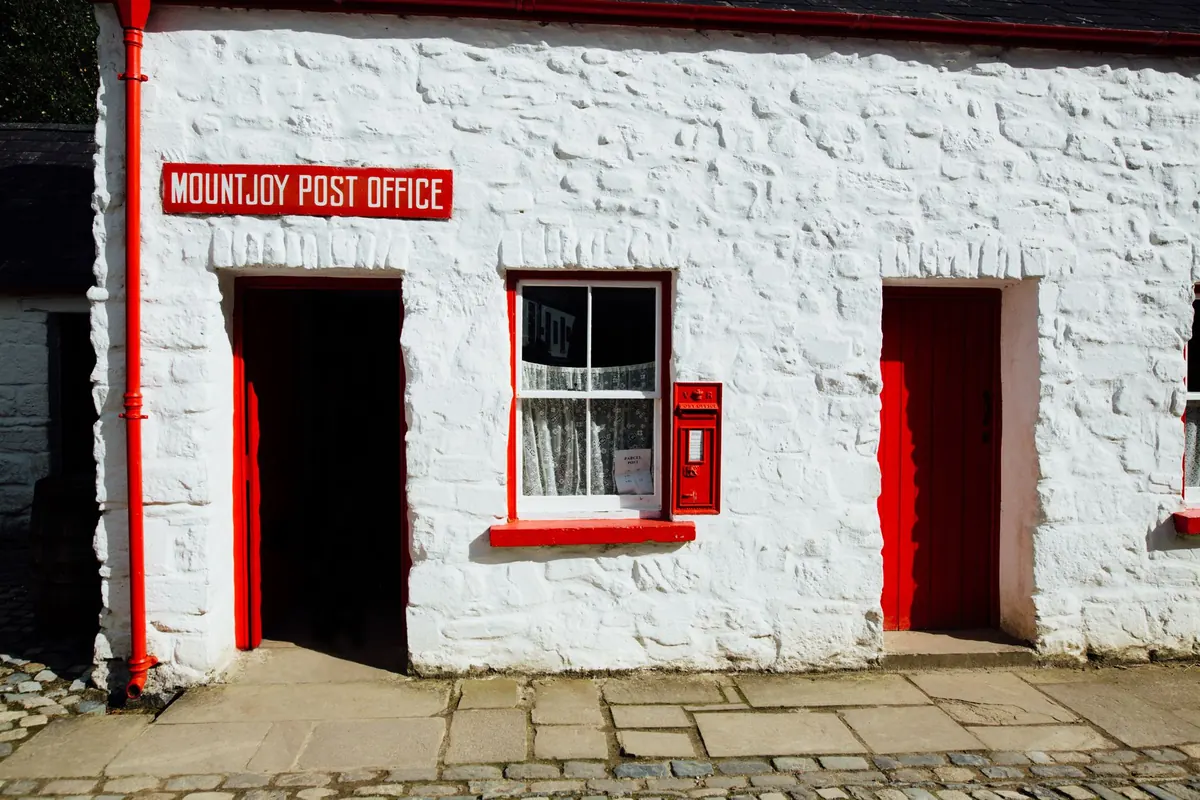
Then move. A three-quarter view gives the box shape and shows a side the record shot flattens. A low angle emphasises the mass of a pillar box against the sky, provided the background behind the rim is clean. Step back for an environmental frame that includes the wall, hedge, junction or shopfront, so the picture says where the box lives.
Keep verticals vertical. Postboxes are plumb; if your picture tilts, the box looks drunk. Rather than tilting the camera upward and letting the lines converge, step back and zoom in slightly, or accept a wider frame and correct it later.
Watch the edges of the frame. Bins, bikes, parked cars, signposts and your own shadow creep in while you're concentrating on the cipher. Two steps sideways often clears half the clutter.
Finish with the details that make a box individual: the royal cipher on the door, the collection-time plate, the maker's name, the posting aperture worn smooth at the lip, and any small repairs or replacements that tell you the box has a working life.
Most roadside boxes are easy. Some are not, and a little care keeps you out of arguments.
Rules on photography vary between countries and between individual sites. If you plan commercial use or a published collection, check the local position properly rather than relying on habit.
A folder of handsome photographs with no notes is a folder of anonymous red boxes. Six months on, you will not remember which village, which junction, which cipher.
Capture the following while you are still standing there:
A thirty-second voice memo recorded in the car covers all of it. Later, use one naming pattern so files sort sensibly, such as 2025-03-08_kingsbridge_vr_pillar.jpg. If you revisit the same box over years, the notes and the consistent name are what let you compare paint, wear and surroundings honestly.
You need less than you think. A phone with a clean lens will do more for you than a bag of lenses with a smeared front element.
On a camera, keep the ISO low, stop down to roughly f/5.6 to f/8 for a crisp door and a recognisable background, and shoot raw if the camera allows it. Bracket when the sky is bright and the box is dark; one of the three frames will behave. Focus on the cipher rather than the middle of the door, then zoom into the back of the screen and check it before you walk away.
Straighten, crop, lift the shadows a little, and stop. Push the red paint and it turns pink; sharpen it heavily and the cast texture becomes gravel. If you are building a record rather than a postcard, don't clone out graffiti, stickers or a missing plate. Those marks are part of what the box is right now. Keep one untouched master file for every location and make your adjustments on a copy.
After a dozen boxes, the sequence stops feeling like a checklist and starts feeling like a walk. You'll notice the light before you notice the box, you'll know which side of the street to stand on, and your archive will hold not just pictures but evidence.
Photo: K / Pexels